Work Tools Brief
The Impact of Third-Party AI Applications on Ring Security Systems
This article explores how third-party AI tools enhance Ring security cameras and the associated privacy concerns.
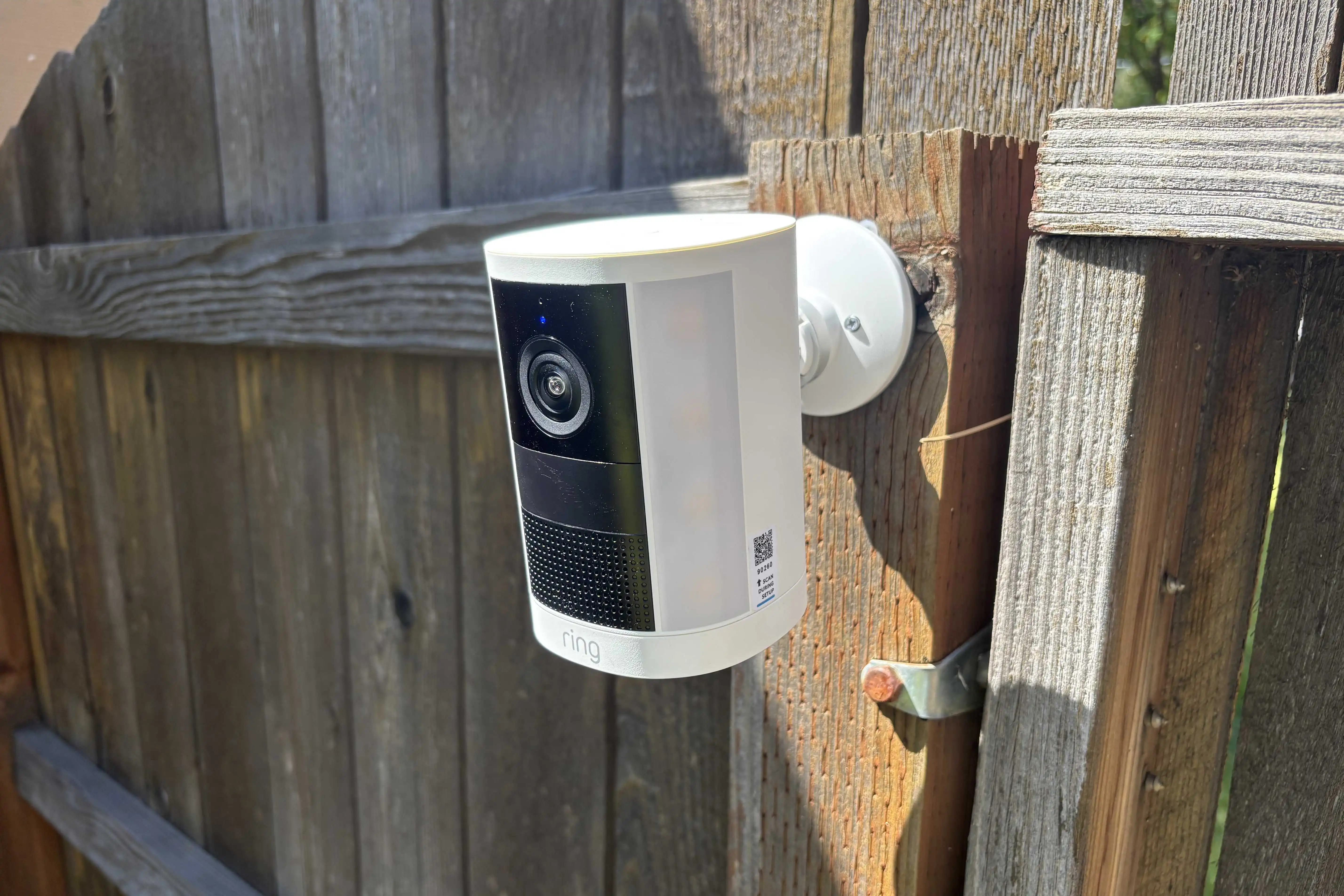
Exploring the Role of AI Apps in Enhancing Ring Security
As smart home technology continues to evolve, Ring's security cameras have emerged as a popular choice for homeowners and property managers alike. Equipped with a range of features, these devices have become staples in home and community safety. However, the introduction of third-party AI applications has expanded their capabilities, particularly for homeowners' associations (HOAs), landlords, and other organizations. This article delves into the implications of these AI tools, addressing their benefits, privacy concerns, and whether they are truly necessary.
The Evolution of Ring’s Features
Over the years, Ring has incorporated advanced technologies to bolster security for its users. The introduction of facial recognition capabilities has garnered significant attention, providing users with the ability to identify visitors and potential intruders. However, these enhancements have not come without controversy. The use of such technology has sparked legal challenges from privacy advocates who argue that it raises ethical concerns regarding surveillance and data protection.
Understanding Third-Party AI Tools
While Ring's own features are robust, third-party AI applications have emerged as valuable tools that can complement Ring’s security offerings. These applications leverage artificial intelligence to provide features such as:
- Enhanced Video Analytics: AI can analyze footage for unusual activity, reducing false alarms and improving response times.
- Behavioral Recognition: Some apps can detect patterns in movement, alerting users to potential threats or unusual behaviors.
- Integration with Community Networks: HOAs can use AI tools to share information about security incidents, fostering a safer neighborhood environment.
These functionalities can significantly enhance the utility of Ring devices, transforming them from simple cameras into comprehensive security systems.
Privacy Concerns and Legal Challenges
Despite the benefits of third-party AI applications, privacy remains a paramount concern. Critics argue that the integration of facial recognition and other monitoring technologies could lead to an erosion of personal privacy. Legal challenges have arisen as individuals voice their apprehensions about being surveilled without consent, prompting discussions about the need for regulatory frameworks governing the use of such technologies.
"The balance between security and privacy is delicate," says privacy advocate Jane Doe. "As technology advances, we must ensure that our rights are not compromised in the name of safety."
Evaluating the Necessity of Third-Party AI Tools
With the array of features offered by Ring's own systems, the question arises: Do users actually need third-party AI tools? The answer largely depends on individual circumstances and security needs. For those living in high-crime areas or managing a community with shared security concerns, the additional analytics and connectivity that AI tools provide may justify their use.
Conversely, homeowners who prioritize privacy may choose to forgo these technologies, relying instead on Ring’s built-in features for their security needs. It is essential for users to assess their unique situations and consider the trade-offs between enhanced functionalities and potential privacy implications.
The Future of Security Technology
As both Ring and third-party developers continue to innovate, the landscape of home and community security is likely to evolve further. Users can expect ongoing advancements in AI technology, which may lead to even more sophisticated applications in the security sector.
Ultimately, the decision to integrate AI applications with Ring devices should be made with careful consideration. Users must weigh the benefits of enhanced security features against the potential risks to their privacy. As this technology continues to develop, informed choices will be crucial in navigating the balance between safety and personal rights.
Conclusion
The integration of AI tools with Ring security cameras presents a new frontier in home and community safety. While these applications offer enhanced features that can improve security, they also bring about important discussions regarding privacy and ethical surveillance. As users assess their options, it is vital to remain informed and vigilant in the face of evolving technology.
Sources & reporting
This article was prepared with AI assistance from the sources above. Read our editorial policy.