Work Tools Brief
Matthew Libatique Discusses AI's Role in Filmmaking and Its Impact on Marvel
Cinematographer Matthew Libatique shares insights on AI's potential to transform visual effects in film, particularly within Marvel.
Matthew Libatique Discusses AI's Impact on Filmmaking and Marvel
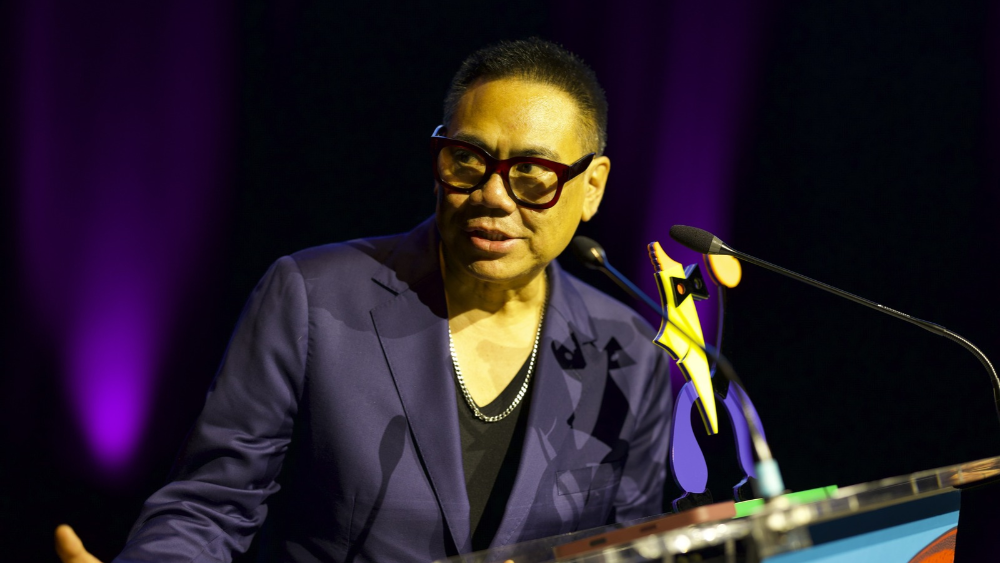
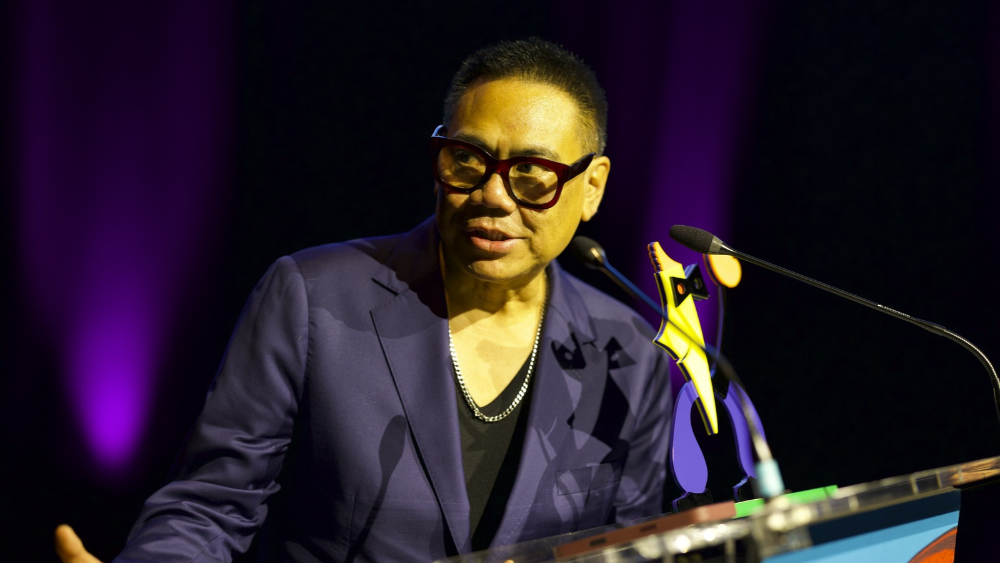
While attending a recent event in Mallorca, acclaimed cinematographer Matthew Libatique, known for his work on films such as Black Swan and Iron Man, shared his thoughts on the evolving role of artificial intelligence in the film industry. As he stepped outside the airport, Libatique was momentarily captivated by the picturesque autumnal scenery, taking a moment to absorb the sunlight reflecting off the pastel buildings.
Testing AI Tools for Future Projects
Libatique revealed that he is currently in the process of testing AI tools for his next collaboration with renowned director Darren Aronofsky. While the integration of AI in filmmaking has sparked debate, Libatique sees it as a valuable asset.
AI's Potential to Transform Visual Effects
In his discussion, Libatique noted that AI could significantly change the landscape of visual effects, particularly within blockbuster franchises like Marvel. He stated, “AI might replace the visual effects aspect of Marvel films, but it will not replace the stars themselves.” This comment reflects a broader concern in the industry about how AI technologies might streamline certain production processes while still leaving the essence of storytelling and performance intact.
The Role of Creativity in Filmmaking
Despite the advancements in AI, Libatique emphasized the importance of human creativity in filmmaking. He argued that while AI can assist in technical aspects, it cannot replicate the nuanced emotional performances that actors bring to their roles. “The human touch is irreplaceable,” he asserted, suggesting that the collaboration between technology and human talent could lead to groundbreaking advancements in cinema.
Concerns About the Future
As the conversation around AI in film continues to evolve, Libatique expressed a cautious optimism about its potential. He acknowledged that while AI could enhance certain aspects of production, there are valid concerns about its implications for jobs in the industry. “The challenge will be to find a balance,” he said, highlighting the need for filmmakers to adapt without compromising the artistry that defines the medium.
A Look Ahead
With filmmakers like Libatique at the forefront, the integration of AI tools presents both opportunities and challenges for the future of cinema. As he prepares for his upcoming project with Aronofsky, Libatique's insights will likely resonate with other industry professionals grappling with similar questions about technology's role in storytelling.
Conclusion
As the film industry stands at a crossroads, the dialogue around AI's influence continues to grow. Matthew Libatique's reflections on the matter underscore the potential for innovation while reminding us of the irreplaceable value of human creativity in storytelling. The coming years will reveal how these advancements shape not only the production of films but also the very essence of cinematic art.
Sources & reporting
This article was prepared with AI assistance from the sources above. Read our editorial policy.