Work Tools Brief
Matthew Libatique Discusses AI's Potential to Transform Marvel's Visual Effects
Cinematographer Matthew Libatique shares insights on AI's impact on filmmaking and Marvel's visual effects.
Matthew Libatique Discusses the Impact of AI on Filmmaking
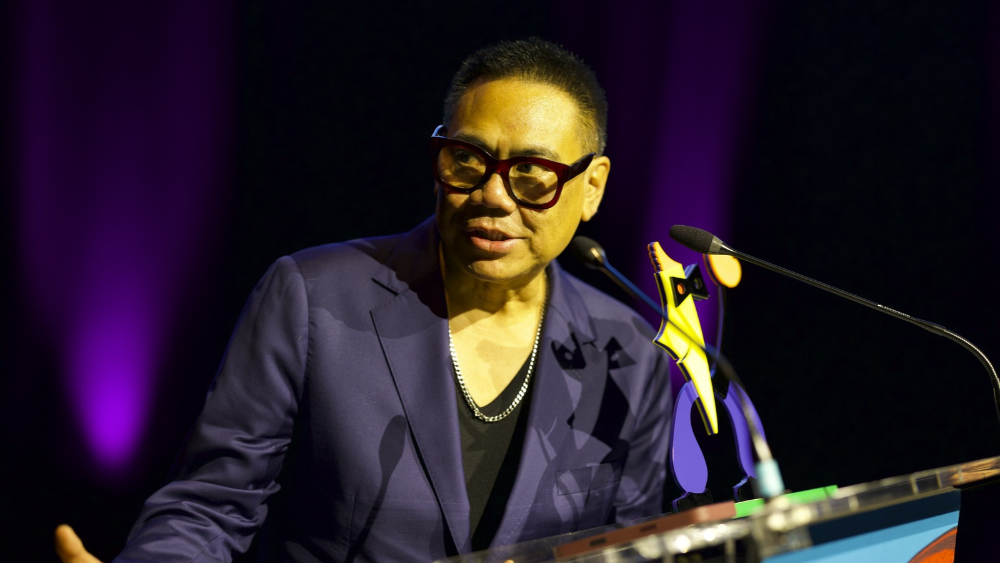
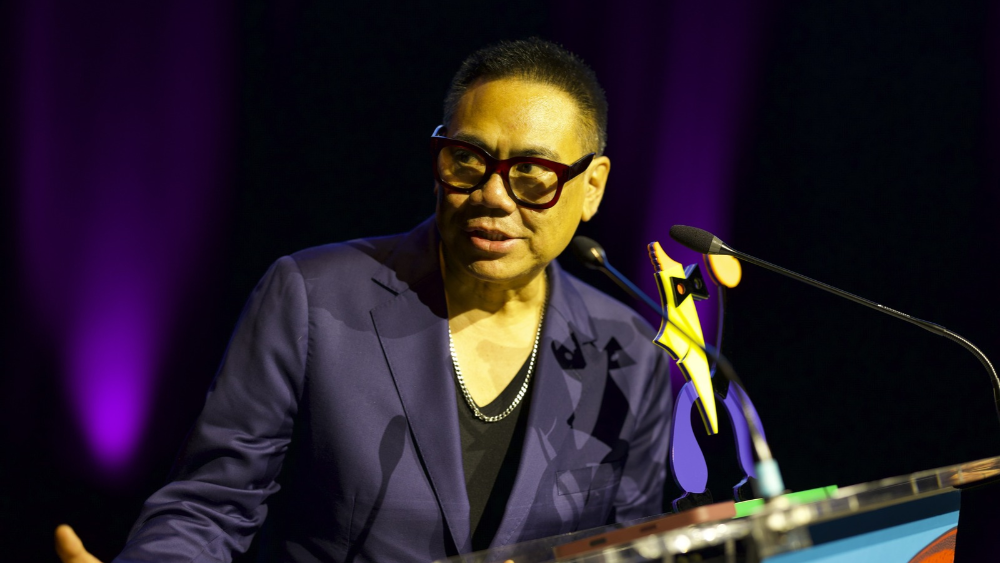
In a recent conversation held in Mallorca, acclaimed cinematographer Matthew Libatique, who has received three Oscar nominations, shared his insights on the evolving role of artificial intelligence (AI) in the film industry. Known for his work on films such as Black Swan and Requiem for a Dream, Libatique is currently exploring AI tools for his upcoming project with director Darren Aronofsky.
The Advent of AI in Filmmaking
Libatique's exploration of AI comes at a time when the technology is making significant inroads into various aspects of film production. As he stepped outside the airport, the natural light seemed to inspire his reflections on the future of filmmaking, particularly regarding the visual effects industry.
"AI might replace the visual effects that we see in films like Marvel," Libatique stated. "But it will never replace the stars of Marvel or the artistry involved in filmmaking."
Marvel's Visual Effects and AI
With the Marvel Cinematic Universe (MCU) setting benchmarks for visual storytelling, Libatique's comments raise important questions about the balance between technology and artistic expression. He emphasized that while AI can enhance visual effects, it cannot replicate the human element that actors and filmmakers bring to the screen.
Balancing Technology and Artistry
Libatique believes that the integration of AI should serve to augment the creative process rather than replace it. He expressed concern about over-reliance on technology, warning that it could lead to a homogenization of film aesthetics.
- AI's Advantages: Increased efficiency in creating visual effects.
- Potential Risks: Loss of unique artistic vision.
- Human Touch: The irreplaceable quality of live performances and directorial input.
Current Projects and Future Aspirations
As Libatique prepares for his new project with Aronofsky, he is keen on testing various AI tools to determine their effectiveness in enhancing film quality. His approach reflects a broader trend among filmmakers who are cautiously optimistic about the potential of AI technologies.
"I want to see how AI can help us achieve our vision without compromising the artistic integrity of our work," Libatique noted.
Conclusion
Matthew Libatique's perspective on AI's role in filmmaking underscores a critical dialogue within the industry. As filmmakers navigate the balance between technological advancement and artistic expression, the future of cinema may very well depend on how they choose to integrate these emerging tools. While AI holds promise for revolutionizing visual effects, the essence of storytelling remains firmly rooted in the human experience.
Sources & reporting
This article was prepared with AI assistance from the sources above. Read our editorial policy.